
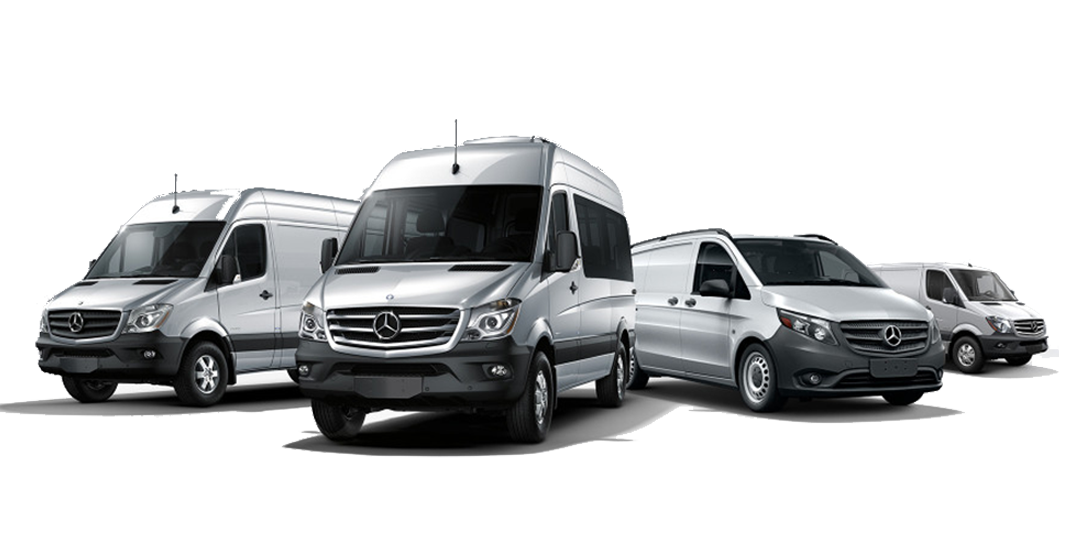
Manage Your Vehicle Fleet
GPS tracking and Telematics technology improves the efficiency and productivity of vehicle fleets. Once the devices are installed, managers and business owners will be able to monitor their fleet using nothing but a PC, tablet, or smartphone. We offer fleets a No-upfront payment option to spread the cost into smaller, regular payments over a period of; 12, 24, 36, or 48 months after signing a digital contract.
- Find your vehicles 24/7
- Monitor driver behaviour
- Improved safety
Introduction
In the modern business world, efficient fleet management is a cornerstone of success for industries ranging from transportation and logistics to delivery services and construction. Fleet tracking, aided by advanced technology and real-time data, has revolutionized the way companies manage their vehicles and assets. In this article, we delve into the concept of fleet tracking, its benefits, and the transformative impact it has on businesses worldwide.1. Understanding Fleet Tracking
Fleet tracking involves the use of GPS technology, sensors, and software to monitor and manage a company's fleet of vehicles, machinery, and assets. This enables real-time monitoring of vehicle locations, performance, fuel consumption, and maintenance needs. Fleet tracking systems provide a comprehensive view of fleet operations, empowering businesses to make informed decisions, streamline operations, and enhance overall efficiency.
2. Benefits of Fleet Tracking
- a. Passive Tracking:
Passive tracking records data for later analysis, providing historical insights into vehicle movements and performance. This is useful for route analysis and historical reporting. - b. Active Tracking:
Active tracking provides real-time data on vehicle locations, allowing fleet managers to monitor operations as they happen. This is ideal for immediate decision-making and quick responses to changes. - cc. Advanced Telematics:
Telematics systems combine GPS tracking with vehicle diagnostics, enabling businesses to monitor engine health, driver behavior, and other performance metrics in real time.
- a. RFID Technology:
Radio Frequency Identification (RFID) enables assets to be tagged with unique identifiers, making it easier to track and manage them using scanners and readers. - b. GPS and Geolocation:
Global Positioning System (GPS) and geolocation technologies provide real-time location data for assets, particularly useful for mobile equipment or remote assets. - c. Internet of Things (IoT) Integration:
IoT-enabled assets can communicate data such as temperature, humidity, and usage patterns in real time, allowing for more informed decision-making. - d. Cloud-Based Data Management:
Asset tracking solutions often utilize cloud-based platforms to store and analyze data, providing accessible insights from anywhere with an internet connection.
- a. Scalability:
Select a system that can scale with your business's growth, accommodating the addition of vehicles and assets without disruptions. - b. Customization:
Opt for a solution that offers customizable features to align with your specific operational needs. - c. Integration:
Ensure that the chosen tracking system can integrate with your existing software and tools for seamless data flow. - d. User-Friendly Interface:
A user-friendly interface simplifies data interpretation and ensures that all team members can effectively utilize the tracking system. - e. Customer Support:
Responsive customer support is essential to address any technical issues or questions that may arise during system implementation and usage.